
The Croatia Travel Guide
The Complete Croatia Travel Guide for a Remarkable Villa Holiday
Everything you need to plan your stay in Croatia, from destinations, travel seasons and entry information to beaches, transport, local customs and carefully selected luxury villas.
Quick Answers
The short version, before the full guide
What is Croatia best known for?
Croatia is best known for its long Adriatic coastline, more than a thousand islands, historic coastal towns such as Dubrovnik and Split, national parks including Plitvice and Krka, and a strong tradition of food, wine and private villa holidays.
When is the best time to visit Croatia?
Late spring and September are popular for warm weather with a calmer atmosphere. July and August offer the busiest and liveliest coastal season and usually need earlier planning for villas and ferries.
What currency does Croatia use?
Croatia uses the euro. Cards are widely accepted in tourist areas, and a small amount of cash is useful for markets, parking and remote locations.
Is Croatia in the Schengen Area?
Yes. Croatia is a member of the European Union and the Schengen Area, so entry rules for many travellers are aligned with the wider Schengen framework.
Which regions are popular for villa holidays?
Istria, Kvarner, the Zadar and Šibenik regions, Split and central Dalmatia, the Makarska Riviera, Hvar, Brač, Korčula and the Dubrovnik area are all well established for villa holidays. Each has a distinct atmosphere and pace.
How many villas are available through Luxe Villas Collection?
Luxe Villas Collection brings together more than 150 carefully selected villas across Croatia, chosen for their location, design, privacy, quality and overall guest experience.
Section 01
Croatia at a Glance
Croatia sits at the meeting point of the Mediterranean and central Europe, with a long Adriatic coastline, more than a thousand islands and islets, historic coastal towns, protected national parks, and a strong regional food and wine tradition. Modern motorways, six international airports and a wide choice of private villas make it a natural setting for a considered, high-quality holiday.
The country stretches from Istria in the north, close to Italy and Slovenia, down to the walled city of Dubrovnik in the south. Between them lie Kvarner, the Zadar and Šibenik regions, central Dalmatia around Split, the Makarska Riviera and the islands of Hvar, Brač, Korčula and many others.
Away from the coast, Zagreb offers a lively capital, while inland regions bring waterfalls, national parks, wine countryside and long, quiet roads that are pleasant to drive.
Quick Facts
- Capital
- Zagreb
- Currency
- Euro
- Official language
- Croatian
- Time zone
- Central European Time
- Coast
- Adriatic Sea
- European Union
- Member state
- Schengen Area
- Member
- Best known for
- Islands, coastline, historic towns, food, wine and private villa holidays
Section 02
Why Croatia Works So Wellfor a Villa Holiday
Croatia is well suited to the kind of holiday where the villa becomes part of the experience. Guests enjoy privacy and space, easy access to the sea and a range of regions with distinct characters. Not every part of the country is inexpensive, and not every region feels the same, so choosing carefully makes a real difference.
- Privacy and space offered by private villas, from countryside estates to sea-view retreats
- Direct access to beaches, coastal towns and boat trips
- A wide range of regions, each with a different pace and landscape
- Suitable conditions for families and larger groups
- Well-developed opportunities for boat trips and island exploration
- Strong local food and wine, with genuine regional identity
- Enjoyable road trip possibilities across the coast and inland
- Space to combine active days with quiet time at the villa
- Reliable services for chefs, transfers, housekeeping and concierge
- International airports across the coast for flexible arrivals
- A short flight from many European cities
- Historic towns that reward slower visits, not just short stops
- A summer season long enough for spring, high summer and autumn stays
In short
Croatia may suit you particularly well if you value privacy, outdoor living, access to the sea, regional food and the freedom to organise each day at your own pace.
Section 03
Where to Stay in Croatia
A short editorial view of the principal villa regions. Each has a distinct atmosphere, access route and rhythm. Use it as a starting point, then read the full destination pages for details.
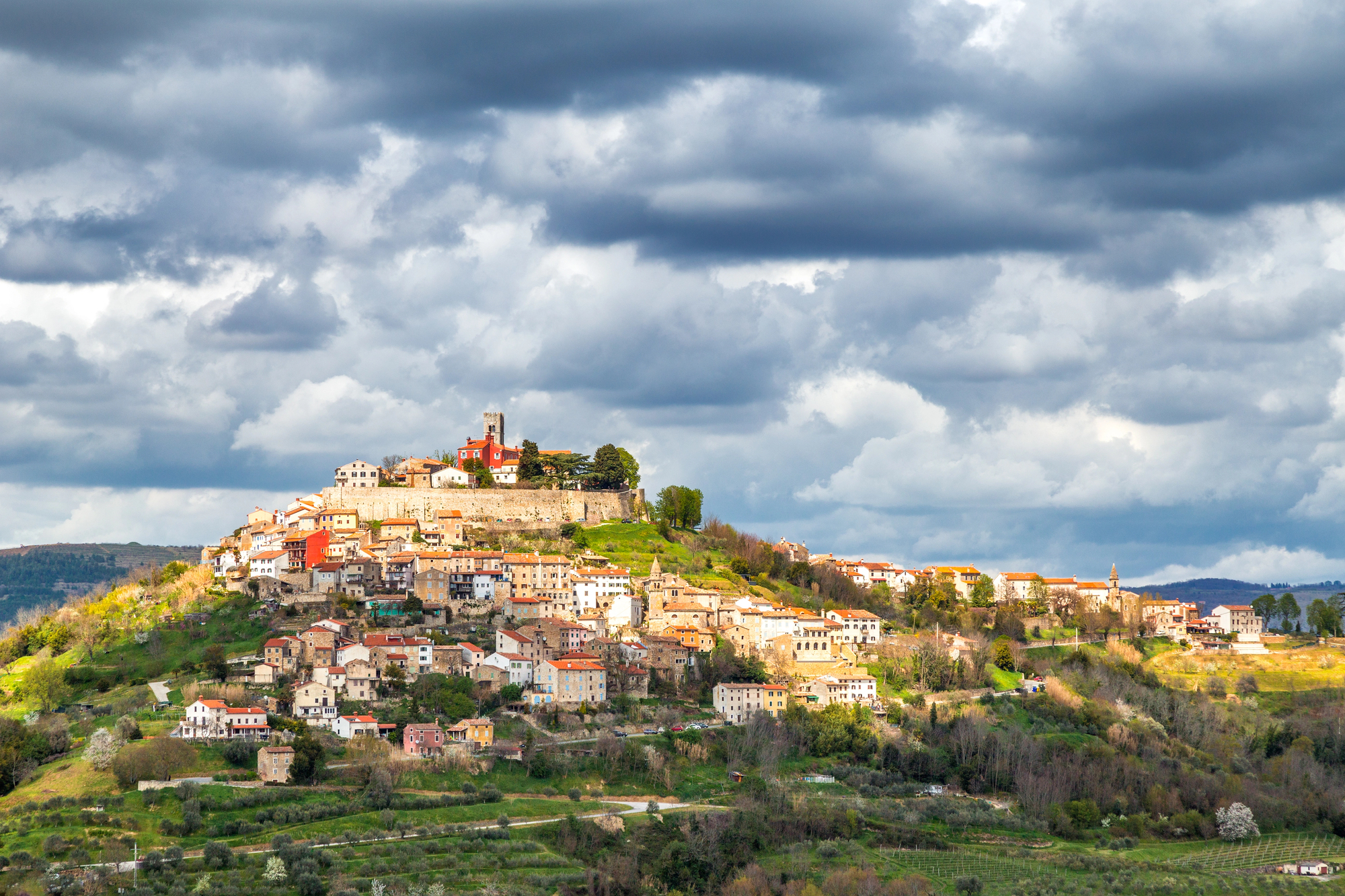
Region
Istria
A green peninsula in the north with hilltop towns, olive groves and a strong food and wine culture influenced by Italy and central Europe.
- Suits
- Couples, food enthusiasts and travellers who prefer a slightly cooler, softer coastline.
- Landscape
- Rolling countryside, small stone hamlets, coastal towns like Rovinj and Poreč.
- Access
- Pula airport for the peninsula, or Trieste and Ljubljana for road arrivals.
- Villa style
- Countryside villas with pools, harbour dinners and unhurried days between villages.
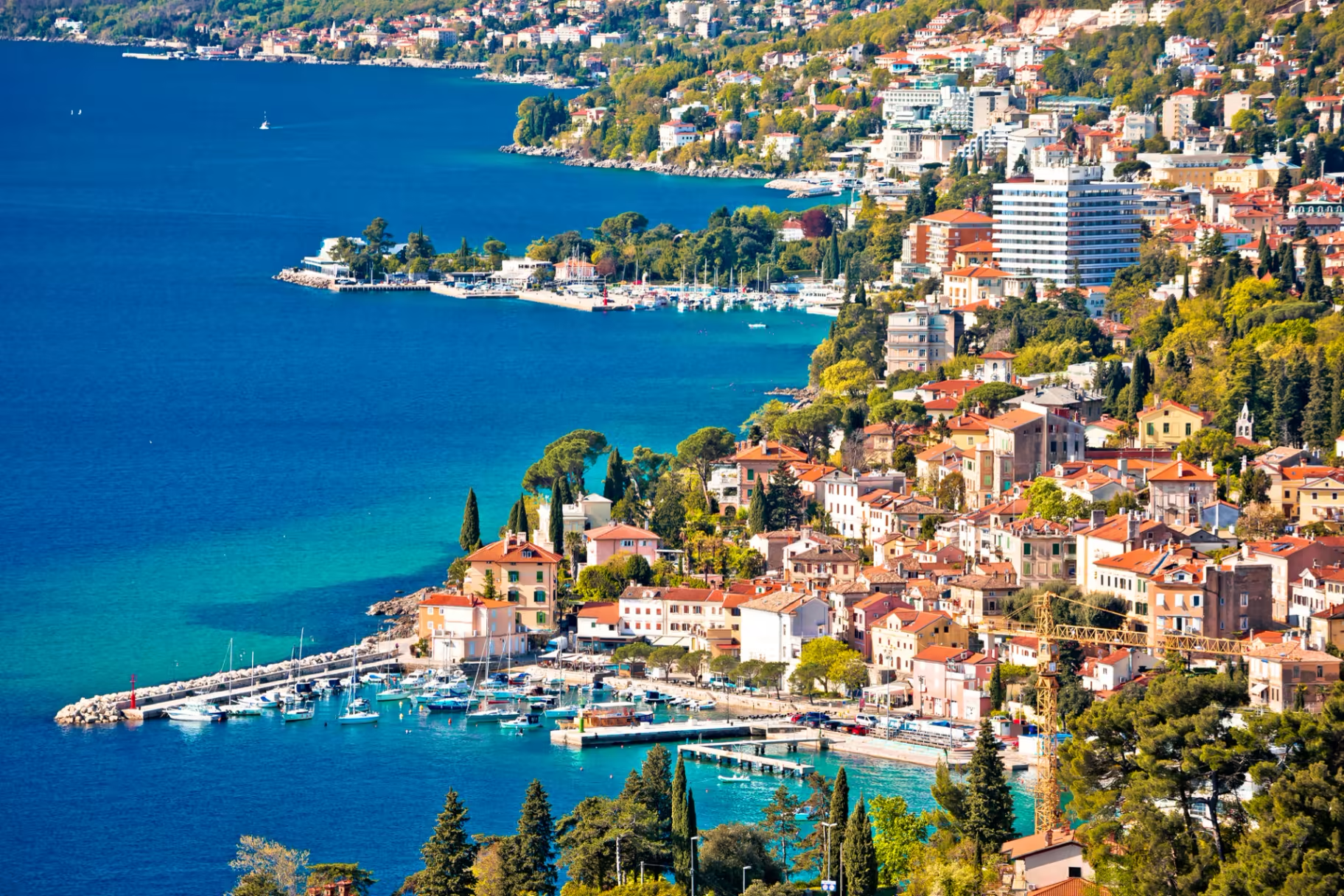
Region
Kvarner
A protected gulf with elegant Austro-Hungarian towns, forested islands and easy connections from central Europe.
- Suits
- Travellers who value a temperate climate and quick access from Zagreb, Vienna or Munich.
- Landscape
- Opatija riviera, the islands of Krk, Cres, Lošinj and Rab, and pine-shaded shores.
- Access
- Rijeka and Zagreb airports; the region is well linked by motorway.
- Villa style
- Refined seaside villas, island escapes and short crossings between mainland and islands.
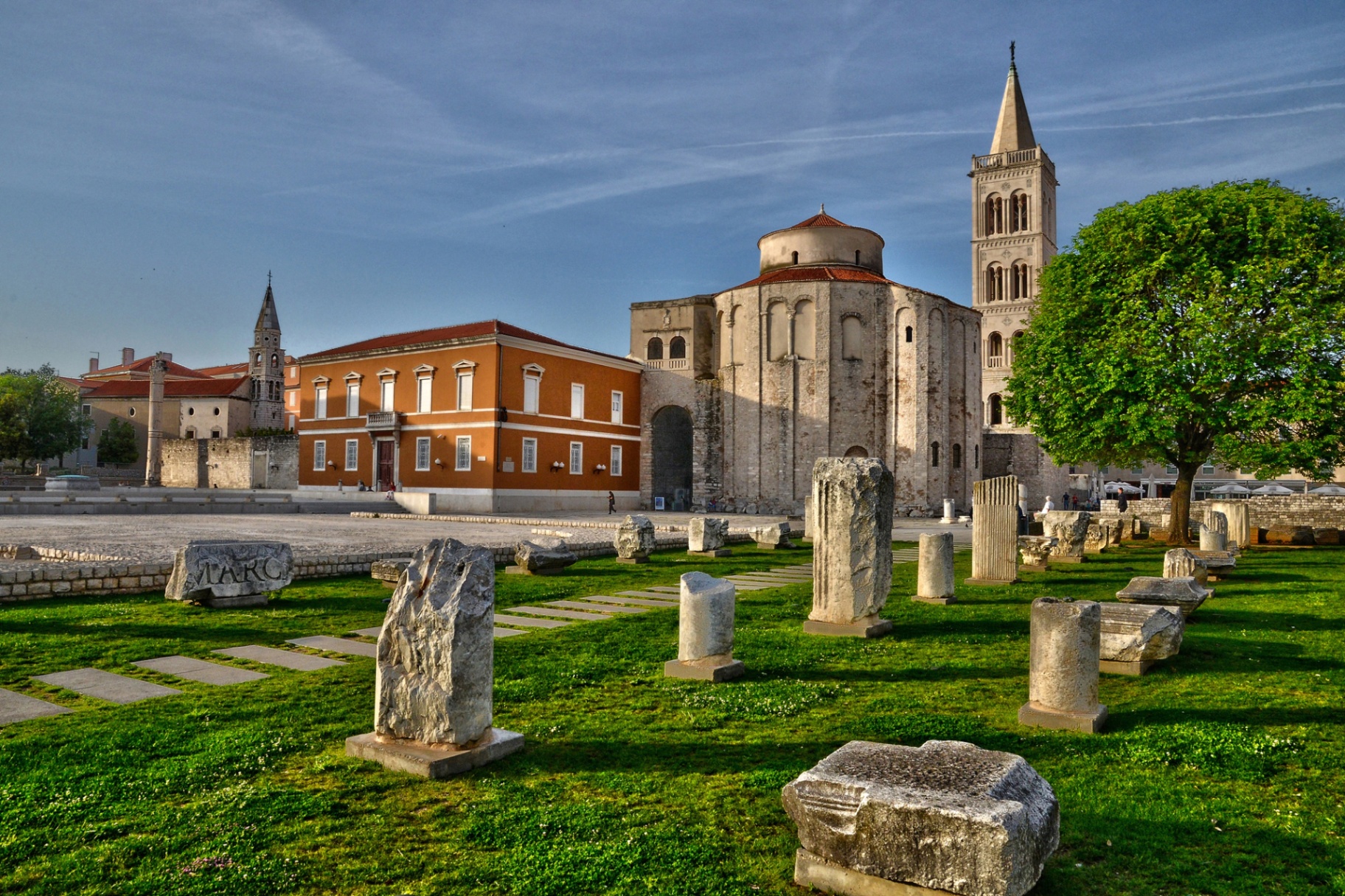
Region
Zadar Region
An open coastline with Roman heritage, the Zadar archipelago and quick access to national parks.
- Suits
- Active travellers, sailors and families who appreciate space and a range of day trips.
- Landscape
- Broad seafronts, small islands, the Paklenica canyons and the Kornati archipelago.
- Access
- Zadar airport with regional and seasonal international flights.
- Villa style
- Modern coastal villas with excellent access to islands, hiking and boat charters.
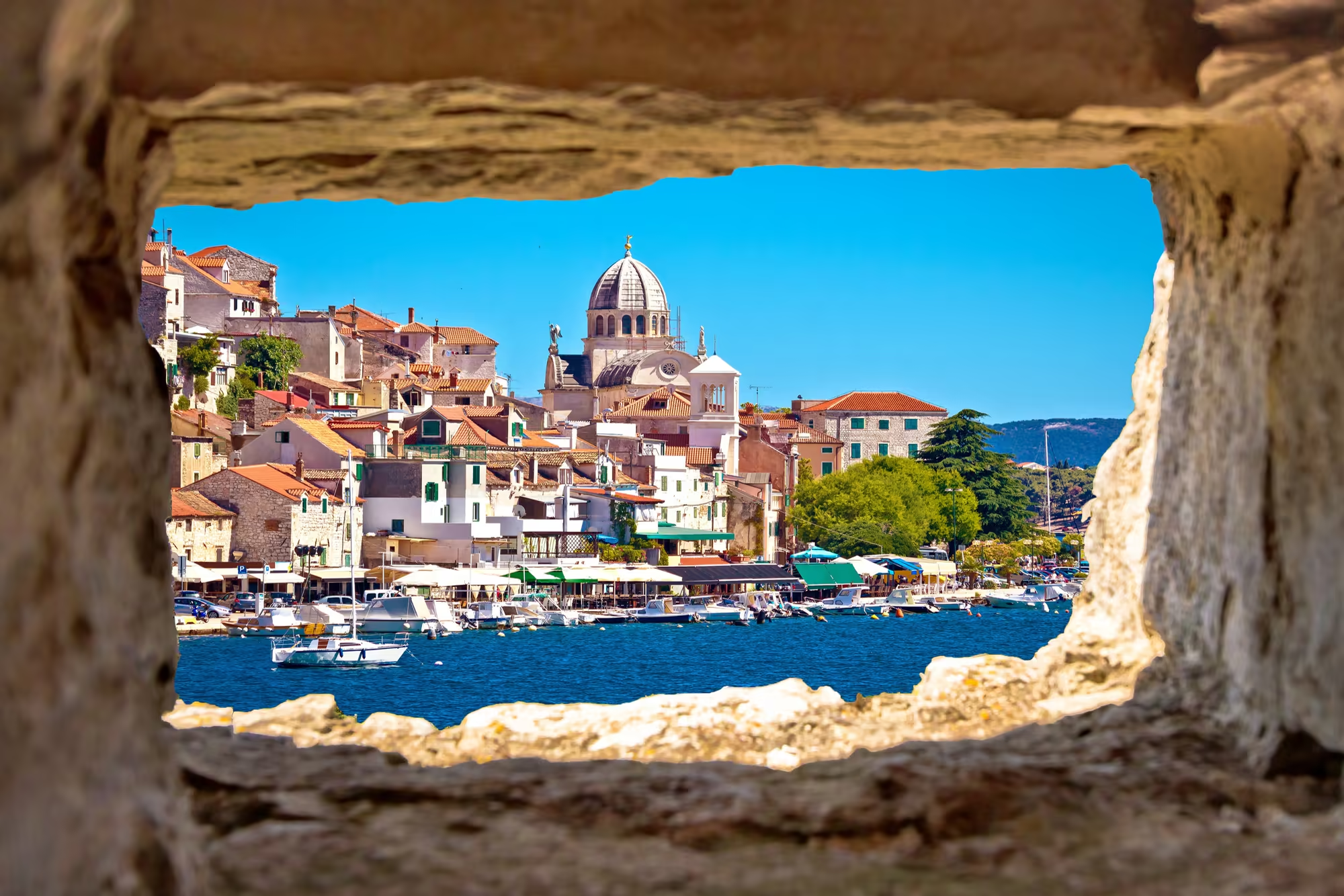
Region
Šibenik Region
A dramatic stretch of coast with UNESCO fortresses, the Krka waterfalls and quiet islands around Primošten and Rogoznica.
- Suits
- Guests looking for character and calm within reach of well-known attractions.
- Landscape
- Stone old towns, protected bays, olive groves and green interior valleys.
- Access
- Split and Zadar airports, both around an hour by car.
- Villa style
- Villas with private moorings, sea-view estates and slow days between town and coast.
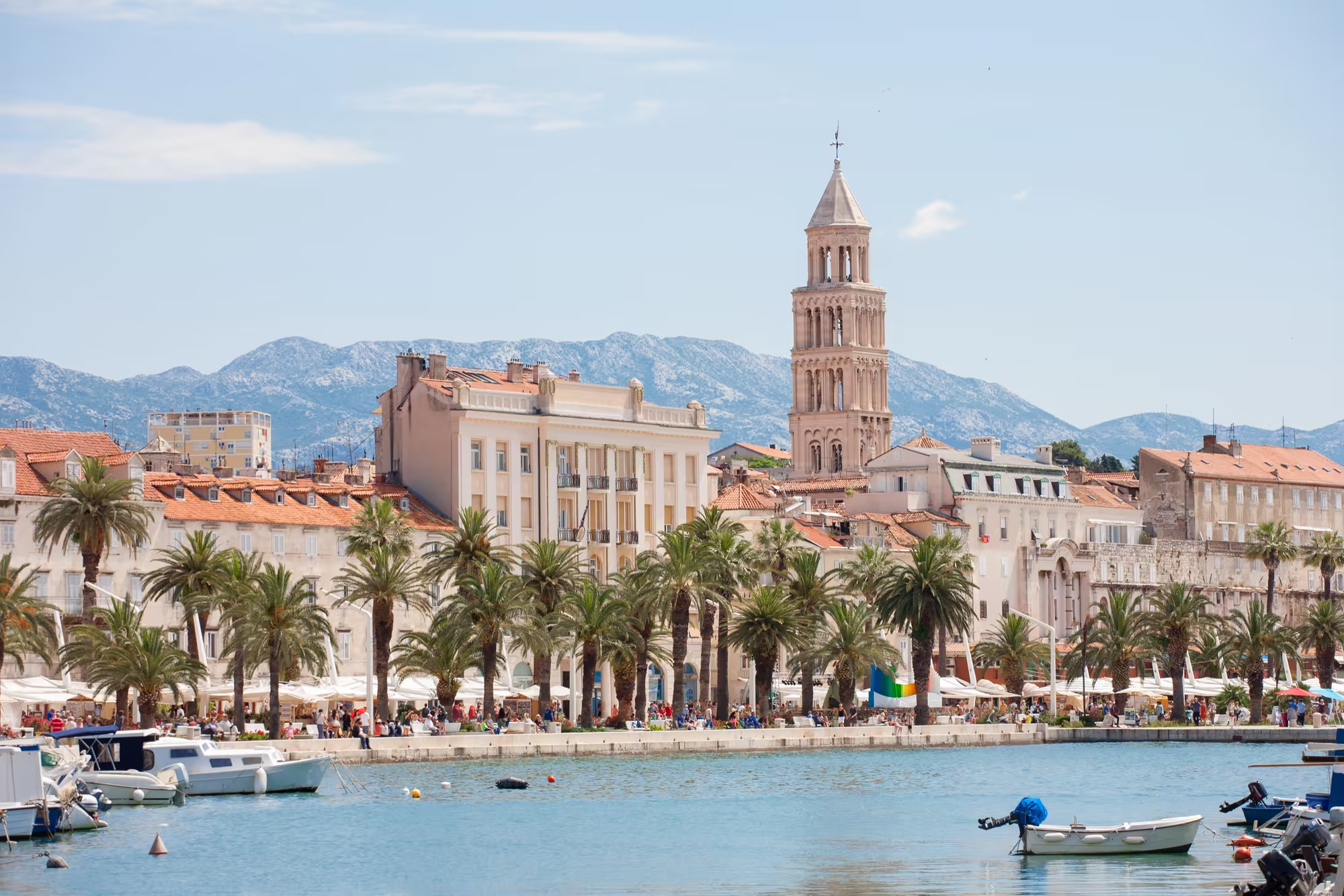
Region
Split and Central Dalmatia
The lively heart of Dalmatia, with Diocletian's Palace, easy island crossings and a long summer season.
- Suits
- Travellers who want city energy, restaurants and quick ferry access to islands.
- Landscape
- Historic seafront, Marjan forest, coastal villages and offshore islands.
- Access
- Split airport, one of the country's busiest during the summer months.
- Villa style
- Villas within reach of the city and day boats to Hvar, Brač and Šolta.
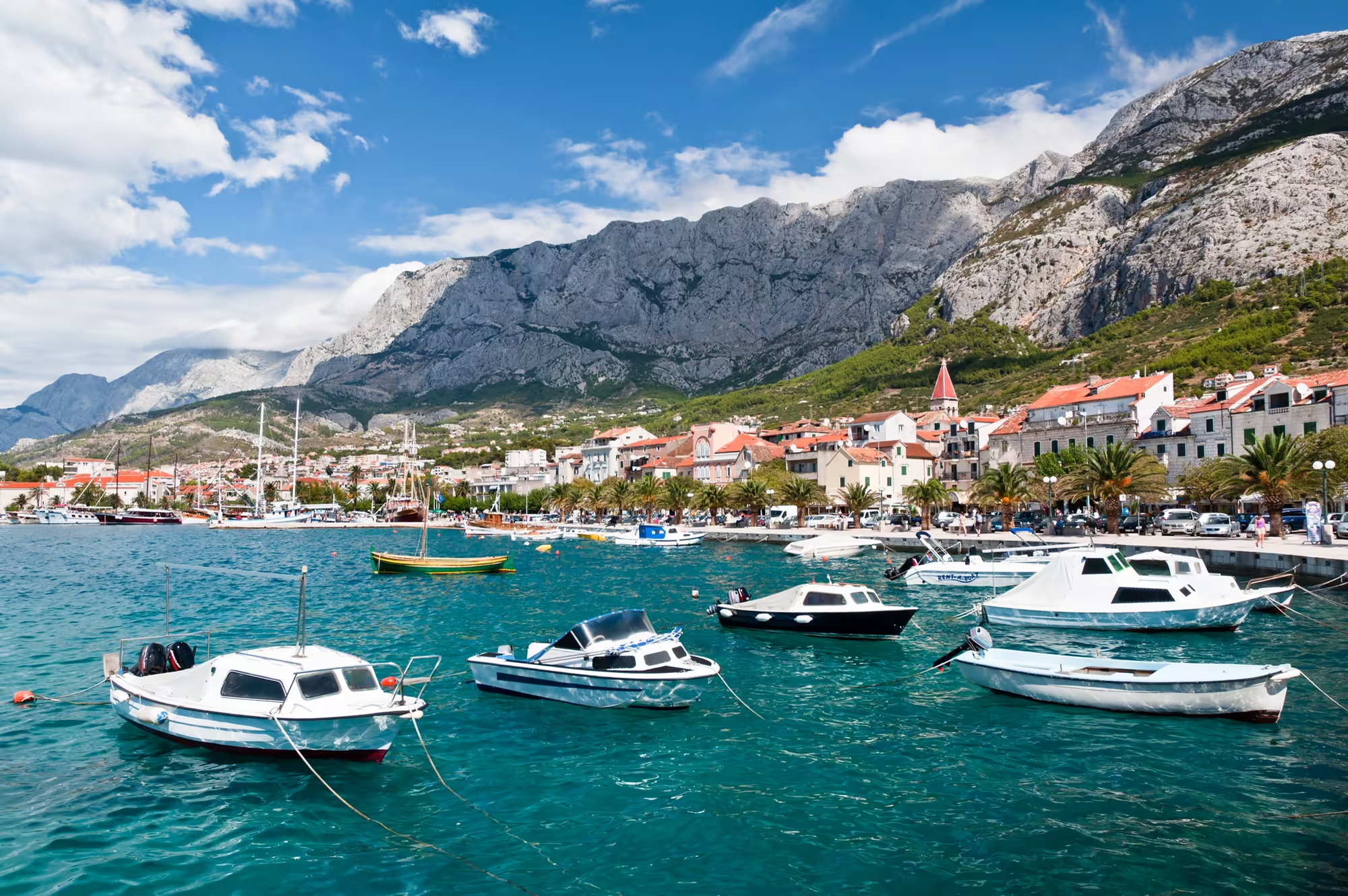
Region
Makarska Riviera
A striking coast where the Biokovo mountains meet the sea, with long pebble beaches and pine-lined bays.
- Suits
- Families, active travellers and beach-focused stays with mountain scenery.
- Landscape
- Beaches at Brela, Baška Voda and Tučepi, and mountain paths above them.
- Access
- Split airport with a coastal drive along the Adriatic route.
- Villa style
- Beach-adjacent villas, sea-view estates and easy trips to Brač and Hvar.
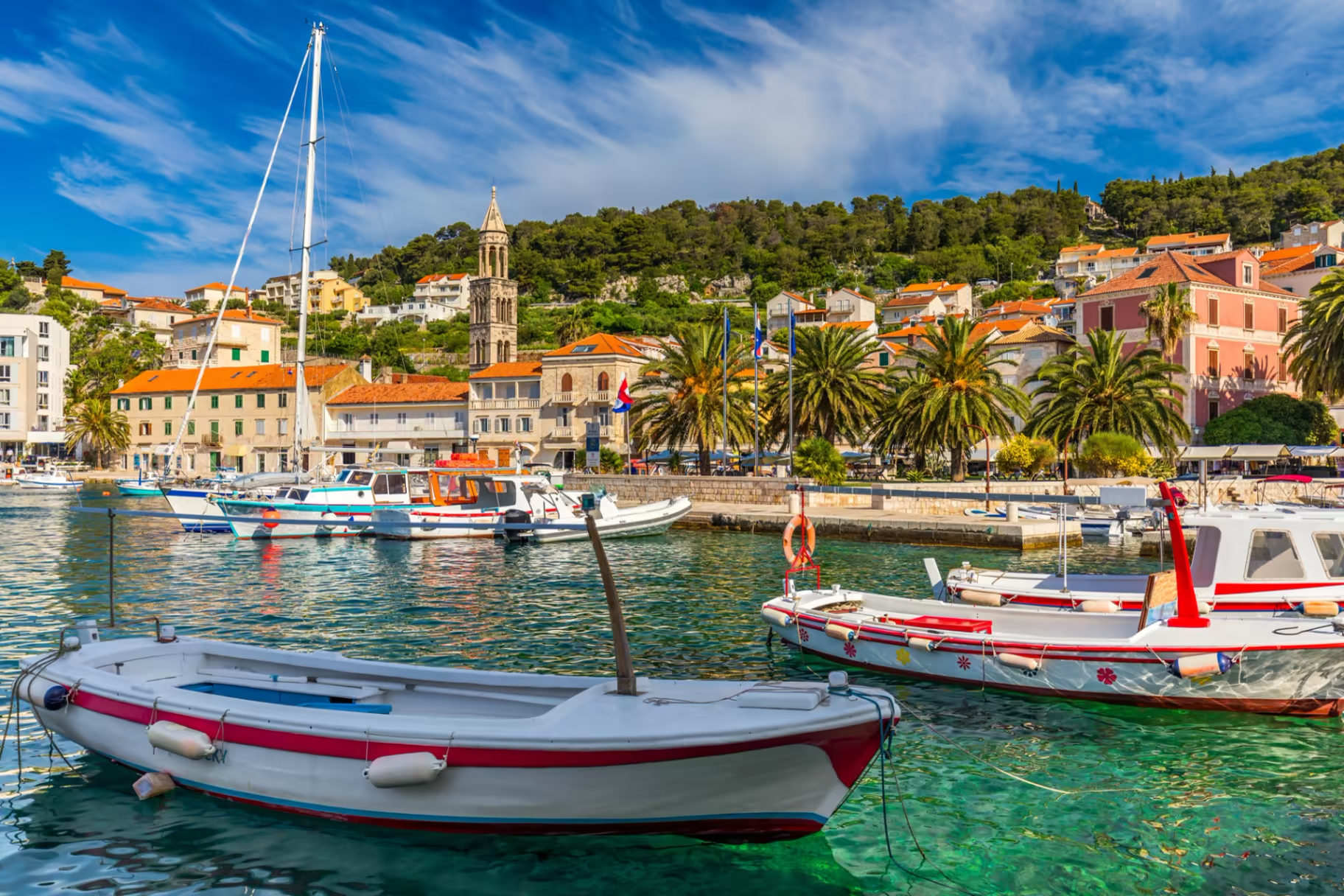
Region
Hvar
A sun-favoured island of lavender fields, stone villages and one of the most photographed harbours in the Adriatic.
- Suits
- Couples, groups of friends and guests who want island atmosphere with good dining.
- Landscape
- Terraced vineyards, quiet coves, the Pakleni islands off Hvar Town.
- Access
- Ferries and catamarans from Split; small boats for arrivals to some villas.
- Villa style
- Sea-view villas above Hvar Town, Stari Grad and quiet inland hamlets.
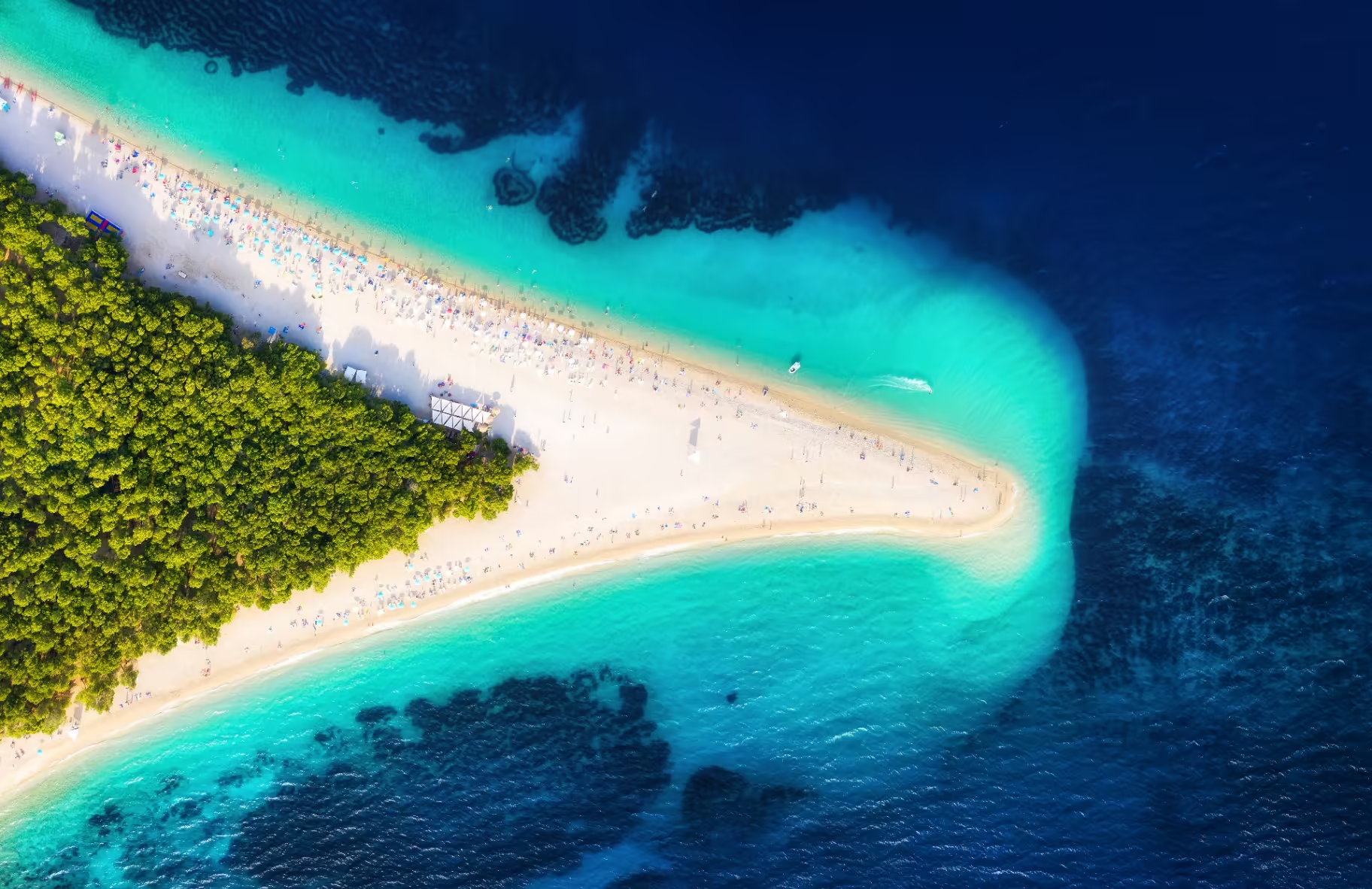
Region
Brač
A large, easygoing island known for its bright white stone, sailing bays and the famous Zlatni Rat beach at Bol.
- Suits
- Families and travellers who like a mix of quiet villages and lively beach towns.
- Landscape
- Pine forests, hidden bays, the interior around Škrip and Pučišća.
- Access
- Regular car ferries from Split to Supetar.
- Villa style
- Stone villas with pools, coastal apartments and easy sea access.
Region
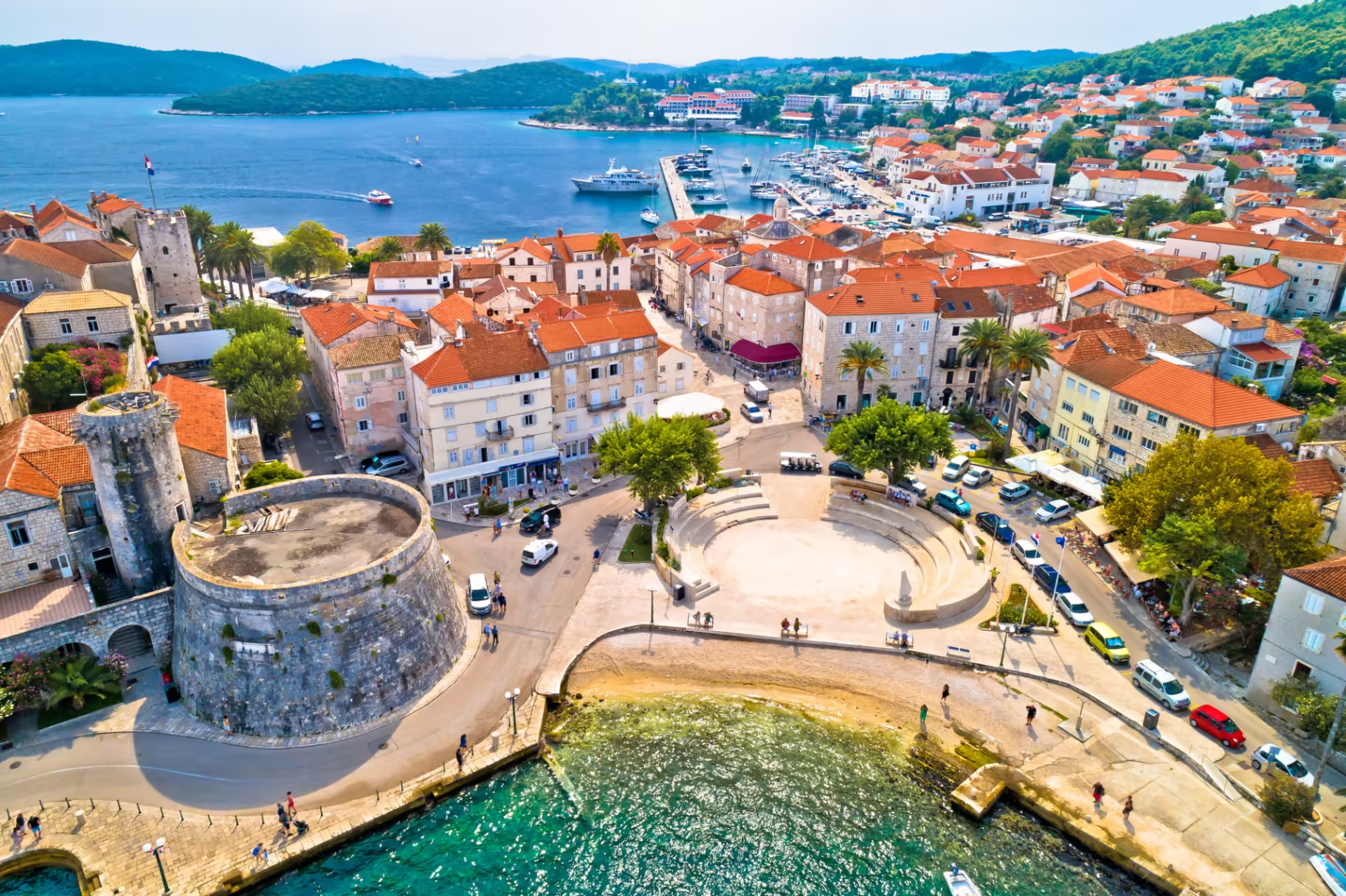
Korčula
A wooded island in southern Dalmatia with a walled old town, small wineries and a distinctly Venetian character.
- Suits
- Travellers who want a quieter island stay with cultural depth and good food.
- Landscape
- Vineyards around Lumbarda, olive groves and long stretches of coast.
- Access
- Ferries from Split, Drvenik and Orebić; the Pelješac bridge simplifies road transfers.
- Villa style
- Sea-view villas near Korčula Town, rural stone houses and quiet coves.
Region
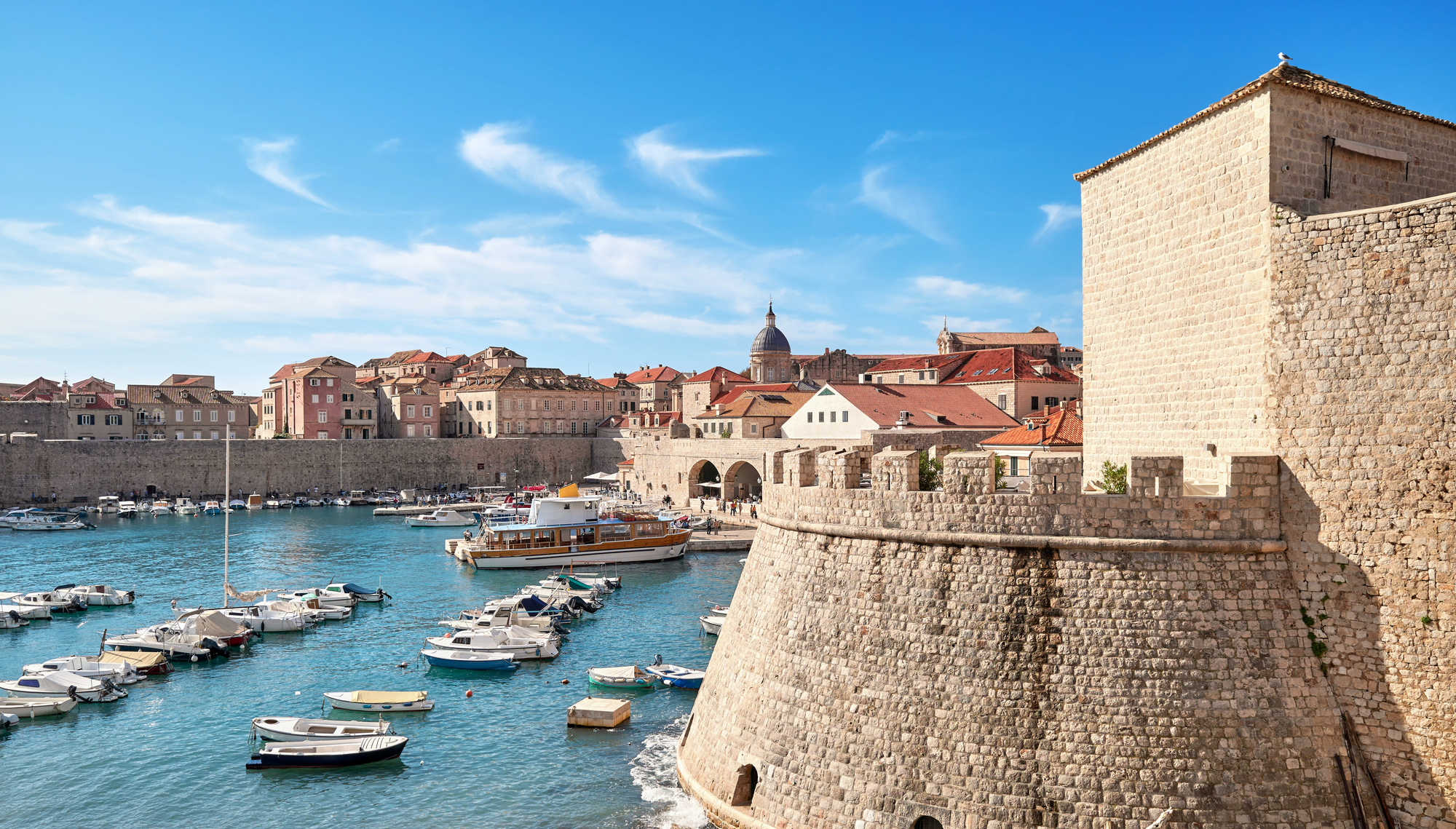
Dubrovnik and Southern Dalmatia
The most recognised coastline in Croatia, from Cavtat and Konavle to the Pelješac peninsula and the Elafiti islands.
- Suits
- Couples, celebration trips and travellers combining a city and a villa stay.
- Landscape
- Walled old town, terraced hillsides, islands within easy reach.
- Access
- Dubrovnik airport with year-round and seasonal international flights.
- Villa style
- Sea-view villas above the coast, secluded estates in Konavle and island retreats.
Region
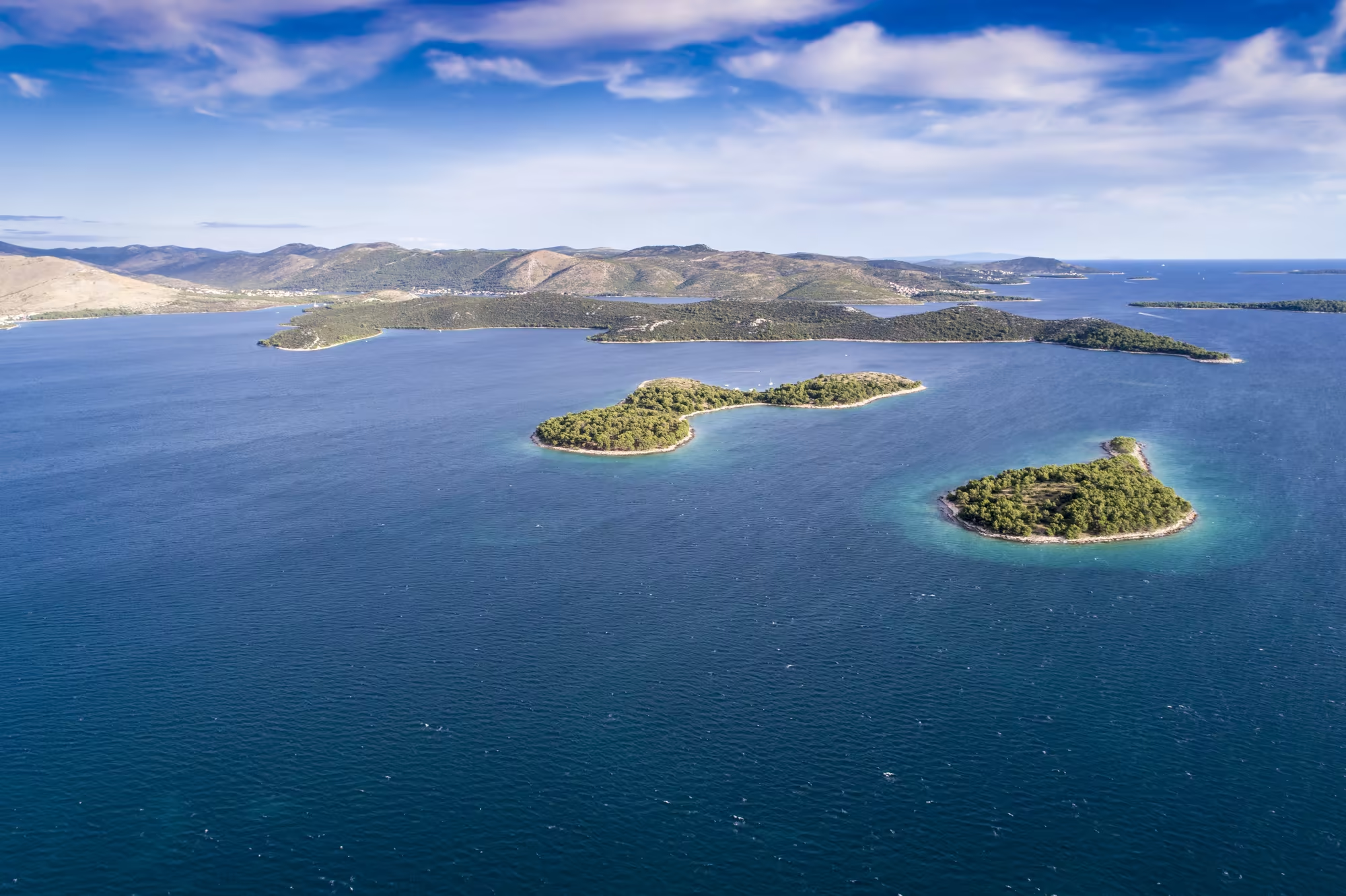
Croatian Islands
A broader look at island life across Croatia, from well-known names to smaller, quieter destinations.
- Suits
- Guests planning an island-focused holiday or a multi-island itinerary.
- Landscape
- Coves, vineyards, olive groves and long stretches of open sea.
- Access
- Car and passenger ferries, private transfers and yacht charters.
- Villa style
- Island villas with private access, boat days and quieter evenings.
Section 04
The Best Time to Visit Croatia
Croatia has a distinct rhythm across the year. Late spring and early autumn are widely appreciated for their balance, while July and August bring the busiest coastal season. Villa availability and pricing follow the same pattern.
April and May
Late spring softness
Coastal towns wake up as gardens flower and terraces reopen. Days are usually mild and pleasant for walking, with cooler evenings. Sea temperatures remain fresh in April and gradually warm through May.
CrowdsQuieter than summer, with more availability across villas and restaurants.
SuitsCouples, walkers, garden and photography enthusiasts.
June
Early summer balance
The full coastal season begins, with warm days, long evenings and a growing number of boat trips and events. It often feels lively without the highest peaks in visitor numbers.
CrowdsModerate to busy, particularly toward the last week of the month.
SuitsGuests who want warm swimming days without the peak-season pace.
July and August
The peak coastal season
The busiest and warmest period. Coastal towns are lively, boats are booked earlier and villa availability tightens. Expect long, warm evenings and a strong social atmosphere along the coast.
CrowdsHigh, especially in known coastal hubs and on the most visited islands.
SuitsGroups, families and travellers who enjoy an active, social coastal season.
September
Warm sea, calmer coast
A widely appreciated month. The sea often remains warm from summer, days are pleasantly hot and the pace on the coast begins to settle. Wine harvests add character to inland trips.
CrowdsLower than August, with easier bookings for villas, restaurants and boats.
SuitsCouples, food-focused travellers and returning visitors seeking calm.
October
Autumn colours and quiet days
Coastal weather can still be warm early in the month, then cools toward late autumn. Some seasonal services begin to reduce operations, especially on the islands.
CrowdsLow, with a soft and reflective atmosphere.
SuitsTravellers who prefer quiet, hikers and cultural visits over swimming.
November to March
Cities, countryside and Advent
The coast becomes very quiet and many seasonal properties close. Zagreb and inland cities offer a different rhythm, with cultural events and the well-loved Advent season in December.
CrowdsVery low along the coast, focused around cities inland.
SuitsTravellers interested in cities, culture, cuisine and short winter breaks.
In short
For warm weather with a calmer atmosphere, late spring and September are often attractive periods. July and August offer the liveliest coastal season and require earlier planning.
Section 05
Passports, Visas and Entry Requirements
Entry requirements depend on nationality, passport type, length of stay, purpose of travel and current immigration rules. The information below is a general summary and should be confirmed with an official source before you travel.
- Croatia is a member of the European Union
- Croatia is a member of the Schengen Area
- Some travellers may enter without a visa for short stays; conditions vary by nationality
- Other travellers may need to arrange a visa before arrival
- Passports must meet the validity and condition rules that apply to the traveller's nationality and journey
- Border requirements can differ for children, dual nationals and long stays
- Rules for travel documents, such as passport validity beyond the intended stay, can change
- Family members of EU or EEA nationals may follow different procedures
- Travelling by land, sea or air can involve different checks
- Always consult your embassy or the appropriate official authority for confirmed rules
Good to know
Entry requirements can change. Confirm the latest passport, visa and border requirements with the appropriate official authority before booking travel.
Section 06
Getting to Croatia
Croatia is well connected to Europe by air, road and sea. The best arrival route depends on the region you plan to visit and the villa you choose.
By air
International and regional flights operate to Zagreb, Pula, Rijeka, Zadar, Split and Dubrovnik. Seasonal routes expand significantly in summer, and private aviation is available at several airports for guests who prefer it.
Airports to consider
- Zagreb
- Pula
- Rijeka
- Zadar
- Split
- Dubrovnik
By road and sea
Croatia is easily reached by car from Italy, Slovenia, Austria, Hungary and Germany, on a well-developed motorway network. Seasonal ferries from Italy add another option for drivers, particularly for the Istrian and Dalmatian coast.
For islands or remote coastal villas, coordinating flights, ferries and transfers early makes a noticeable difference.
In short
Choose the villa first or shortlist the region before booking flights, especially when travelling to an island or a remote coastal location.
Section 07
Getting Around Croatia
Different regions call for different combinations of transport. For a coast-and-islands holiday, expect to combine cars, ferries and boats. For inland stays, a car offers the most freedom.
Rental car
Provides flexibility across the mainland and inland regions. Not always ideal for historic centres, where access can be restricted.
Private transfer
Comfortable option for airport arrivals, longer transfers with children or reaching remote villas without the pressure of driving straight after a flight.
Ferries and catamarans
The main way to reach the islands. Car ferries take vehicles, while passenger catamarans are faster but foot-passenger only.
Local taxis
Widely available in cities and larger tourist areas. App-based options operate in several cities as well.
Boats and yacht transfers
For many villas, a private boat is both a way to arrive and an experience in itself, particularly around the islands and archipelagos.
Domestic flights
Limited domestic routes connect some cities and islands, mostly relevant for longer journeys.
Driving in Croatia
Croatia has a well-developed road network with modern motorways connecting the main regions. Some general topics are worth thinking about before you drive; specifics change from time to time and should be confirmed before travelling.
- Driving side and general road behaviour
- Seat belts and child seat requirements
- Speed limits by road category
- Parking in historic centres and coastal towns
- Toll payments on motorways
- Fuel stations and their opening hours
- Documentation needed to drive and rent
- Cross-border rental conditions
- Rules on lights, alcohol and mobile phones
- Winter equipment for the inland regions in season
Good to know
Road rules, tolls and rental conditions can be updated by authorities and rental operators. Confirm current information with your rental company and official sources before setting off.
Section 08
Money, Cards and Everyday Payments
Croatia uses the euro. Card payments are widely accepted in tourist areas, but small businesses, markets, remote locations and some parking facilities may still ask for cash. ATMs are available in cities and coastal towns, but fees and exchange rates vary.
- Card payments are standard in restaurants, shops and larger operators in tourist areas
- Some markets, small operators and remote services may only accept cash
- ATMs are widely available but fees can vary between banks and operators
- Contactless payments are common in cities and coastal areas
- Tipping is appreciated when service is good; practices vary and are not a fixed percentage
A practical checklist
- Carry one primary card that you use regularly
- Carry a backup payment method in case the first is blocked
- Keep a modest amount of euro cash for markets, tips and parking
- Confirm villa deposits and payment terms before arrival
- Avoid dynamic currency conversion at ATMs and terminals when your provider offers a better rate
Section 09
Weather and Seasons in Croatia
Croatia's climate varies between the Adriatic coast, the islands, the inland plains and the mountain regions. Coastal weather is characteristically Mediterranean; inland areas feel more continental.
Spring on the coast is generally mild and green, with occasional rain. Summer is hot and long, cooled by afternoon breezes on the coast and by higher altitude inland.
Autumn tends to be pleasantly warm well into September, with cooler evenings from October onwards. Winter is quiet along the coast; inland regions can be genuinely cold, with snow at higher altitudes.
Wind is part of coastal life. The northeast Bura is dry and gusty; the southeast Jugo is softer and often precedes rain. Both can affect boat trips more than day-to-day plans.
What to Pack
Summer coast
Light layers, swimwear, water shoes, hat, sunglasses and reef-friendly sunscreen.
Spring and autumn
A warmer layer for evenings, a light rain jacket and comfortable walking shoes.
Island travel
A dry bag, easy-to-carry luggage and something warm for early or late crossings.
Family holidays
Sun protection, insect repellent, familiar children's medication and a small pool bag.
Active holidays
Trainers or hiking shoes, a compact backpack, a swim towel and reusable water bottles.
Section 10
Croatian Beaches and Island Life
Croatian beaches are mostly pebble, rock, platform-based or made up of small coves. Sandy beaches exist but are the exception. It is worth thinking about beach type, access and shade when choosing a villa or day trip.
On the beach
Water shoes are useful in most locations. Some beaches are organised with sun beds and umbrellas; others are quieter, without services. Family-friendly bays often have shallow entries and calmer water; open-sea shores tend to be more dramatic.
- Consider access, shade and how far the beach is from the villa
- Water shoes protect feet on pebble and rock beaches
- Snorkelling gear is often worth bringing or renting
- Look for a nearby bar or restaurant for longer beach days
Islands and boats
Reaching the islands is part of the pleasure. Car ferries transport vehicles; passenger catamarans are quicker but do not take cars. Some islands feel remote and reward longer stays; others are perfect for a day trip from the coast.
- Plan ferries in advance during high season
- Choose between longer island stays and boat-based day trips
- Confirm which services and shops operate near quieter islands
- Consider a private boat or small charter for flexibility
Section 11
Food, Wine and Local Culture
Croatian food is regional. Istria is known for truffles, olive oil and pasta traditions influenced by Italy. Dalmatia leans on fresh seafood, grilled meats, olive oil and long lunches by the sea. Wine culture is quietly serious, with small producers across the country.
What to try
- Istrian truffles and cold-pressed olive oils
- Coastal seafood, from grilled fish to shellfish and octopus
- Peka, a slow-cooked dish prepared under a bell over embers
- Pag cheese, a signature sheep's-milk cheese from the island of Pag
- Regional wines, including Malvazija in Istria and Plavac Mali in Dalmatia
- Fresh markets in cities and coastal towns
- Konobas, family-run taverns with a familiar, unhurried mood
- Fine dining, private chefs and villa-based menus
Practical dining
Popular restaurants often need reservations in July and August, especially by the sea.
Outside high season, some restaurants operate reduced hours or close for holidays; check ahead.
Dietary requirements are better communicated in advance, so kitchens can prepare properly.
Local etiquette
- Greetings tend to be warm; a simple bok or dobar dan goes a long way
- Cover shoulders and knees when visiting churches and religious sites
- Keep noise down in residential streets late in the evening
- Respect private property, particularly near villas and small farms
- Look after natural areas, especially national parks and quieter coves
- Meals tend to be slower than in some other countries; allow time for them
Section 12
Safety, Healthcare and Emergency Planning
Croatia is generally considered a safe destination for travellers, but sensible planning still matters. Warm weather, unfamiliar roads and coastal activities are the areas worth thinking about most.
- Use standard travel precautions in busy areas and around ferry terminals
- Take summer heat seriously, especially in July and August
- Use sun protection and hydrate throughout the day
- Check sea conditions before swimming; some coastal areas can have strong currents
- Follow local guidance during dry, windy periods when wildfire risk is elevated
- Drive carefully on unfamiliar coastal roads and mountain passes
- Arrange appropriate travel and medical insurance before you leave home
- Carry a clear list of prescription medication with generic names
- Pharmacies (ljekarna) are widely available in towns and cities
- Save the local emergency number 112 in your phone before travel
- Confirm how your existing health cover applies in Croatia before travel
- Discuss any special medical needs with your host in advance
Good to know
Before travelling, arrange appropriate insurance, carry essential medical information and confirm how your existing health cover applies in Croatia.
Section 13
Travelling to Croatia with Children
Croatia works well for families, from short toddler stays to multi-generational trips. The right villa makes a real difference: pool safety, garden layout, distance to services and airport transfer times are all worth considering carefully.
- Choose a family-suitable villa with the right room layout
- Confirm pool safety features (fencing, alarms, cover, depth)
- Check whether gardens are fully fenced if you travel with young children
- Ask about cots, high chairs and other essentials before arrival
- Consider beach type and how easy it is to reach with young children
- Plan for heat and shade during the peak summer months
- Look at transfer time from the airport to the villa
- Check the distance to shops, pharmacies and medical care
- Ask about family-friendly excursions and boat trips with children on board
- Confirm car seat provision for transfers if travelling with young children
- Speak to the host about menu preferences for private chef days
- Confirm all family features in writing before booking
Section 14
LGBTQ+ Travel in Croatia
LGBTQ+ experiences in Croatia can vary by location and setting. Coastal areas that receive international travellers year after year tend to be relaxed; some smaller inland communities can feel more traditional. Careful planning generally makes for a comfortable stay.
- Select accommodation with a clearly welcoming, guest-focused approach
- Prioritise privacy through the choice of villa and location
- Communicate preferences openly with hosts and concierge
- Take local guidance on venues, events and areas known for a friendly atmosphere
- Expect respectful service in established coastal destinations
- Consider larger cities and coastal towns for a broader choice of venues
- Plan honeymoons, celebrations and private events with a specialist in advance
- Ask your concierge to arrange discreet transfers and dining reservations
Section 15
Travelling to Croatia with Pets
Bringing a pet to Croatia is possible, but subject to entry rules, transport conditions and villa-specific policies. Everything below should be checked with the right authority and the property team before you travel.
- Confirm entry requirements for the country you are travelling from
- Prepare required documents, vaccinations and identification
- Check airline or transport conditions for pets
- Confirm villa-specific pet rules, including allowed animals and size
- Ask about additional cleaning fees or deposits when applicable
- Look for villas with fenced outdoor areas suitable for your pet
- Plan for heat, shade and hydration during the summer months
- Identify pet-friendly beaches and public areas in advance
- Locate a nearby veterinary clinic on arrival, just in case
- Discuss travel plans, including transfers and boat trips
Section 16
How to Choose the Right Villafor your Croatia stay
Choosing a villa in Croatia is a series of small, practical decisions. The right combination of location, layout, services and access tends to matter more than any single feature.
- Location: region, town and distance to the sea
- Number of guests and bedroom configuration
- Privacy of the plot and the layout of outdoor space
- Beach access and typical walk to the shore
- Sea view and orientation of terraces at your travel dates
- Pool type, size and heating if you travel outside high summer
- Family features, including gardens, cots and safety
- Pet requirements and outdoor arrangements
- Accessibility for guests with mobility needs
- Transport, from airport transfers to daily car use
- Nearby services, from shops to healthcare
- Concierge support, chefs and boat arrangements
- Budget across the villa, transport and services
- Booking period and cancellation terms
Beachfront villa
Direct access to a beach or a private waterfront platform. Well suited to guests who want to spend most days by the sea.
Sea view villa
An elevated position with framed sea views, often with more privacy and quiet than the immediate shore.
Countryside villa
A rural setting with olive groves, vineyards or open land. Ideal for slower days, cooking at home and driving to the coast.
Family villa
Designed for family life, with room configurations, safety features and outdoor space that work for children.
Pet friendly villa
Confirmed as suitable for guests travelling with a pet, usually with fenced areas and clear house rules.
LGBTQ+ friendly villa
A property and host approach known for a welcoming, discreet service and appropriate privacy.
Luxe Villas Collection
Luxe Villas Collection brings together more than 150 carefully selected villas across Croatia, chosen for their location, design, privacy, quality and overall guest experience.
Private Inquiry
Let Us Help You Plan Your Stay
Share your dates, preferred destination, group size and priorities. The Luxe Villas Collection team will help you narrow the search and direct you to suitable options on the main booking platform.
Section 18
Croatia TravelQuestions
Straightforward answers to the questions we hear most often. Some details vary by villa and by date, so treat these as guidance and confirm specifics before booking.
Ready to plan
Start Planning Your Croatia Villa Holiday
Explore more than 150 carefully selected villas across Croatia, or speak with the team for personal guidance based on your dates, destination and travel requirements.